S. Frutuoso de Montélios, analysis of the monument through new chronological inputs
Autores:
Francisco Andrade
Jorge Sanjurjo-Sánchez
Rebeca Blanco-Rotea
Manuela Martins
Resumen:
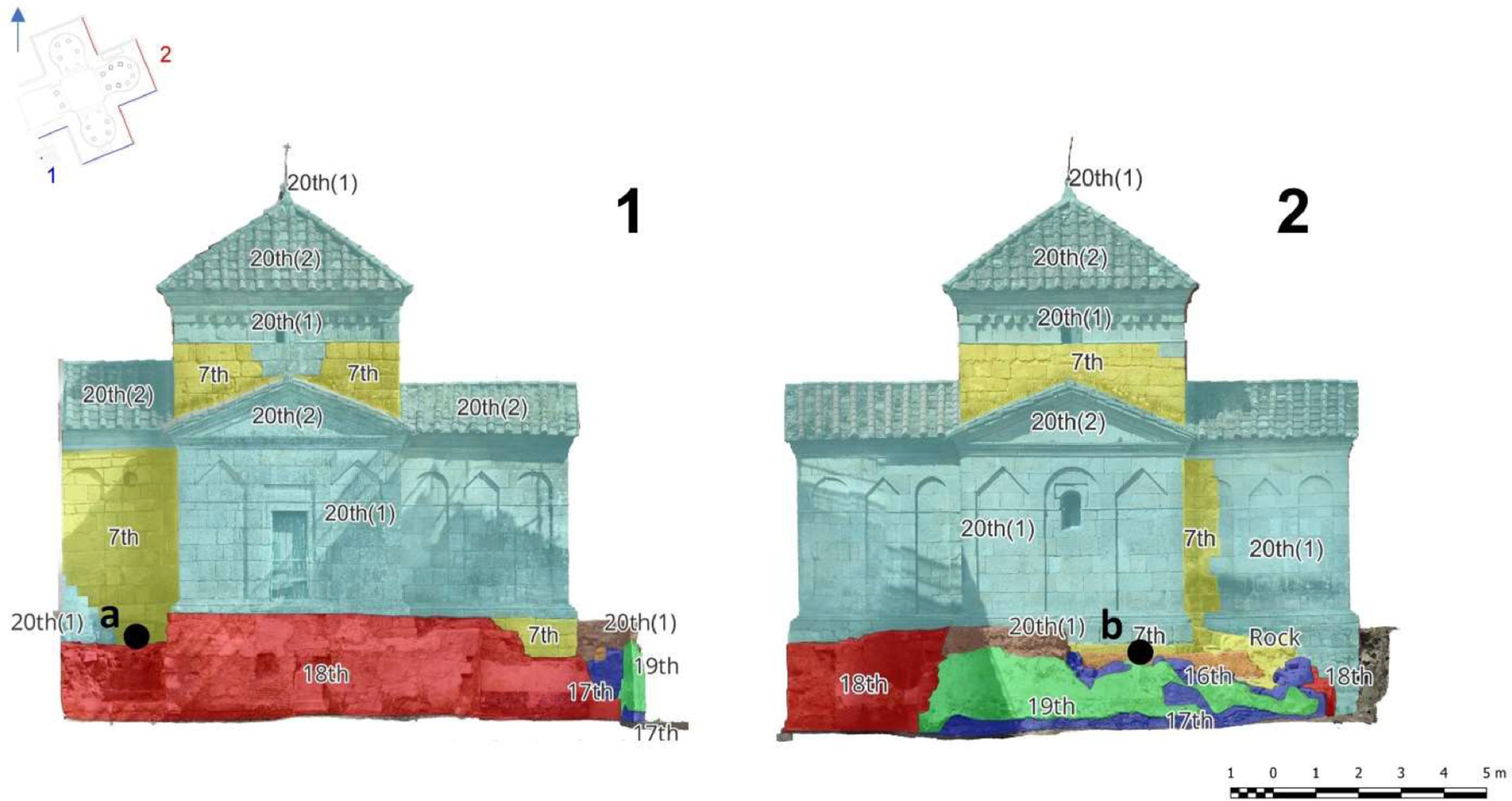
The Mausoleum/Chapel of S. Frutuoso de Montélios (Braga, Portugal) is one of the most paradigmatic places for the knowledge of the Portuguese Late Antique and Early Medieval Architecture, unavoidable presence in the Art History studies, which deal with the most ancient references of Christianity in the NW of the Iberian Peninsula. Within the project of Conservation, Valorization and Promotion of the Convent of S. Francisco de Real, led in the archaeological component, by the Archaeological Unit of the University of Minho, it was possible to carry out a detailed study of the building and an analysis of some mortars through Optical Stimulated Luminescence (OSL), crucial to clarifying and validate the historical knowledge that we have of the building. The samples collected from the foundation of the building confirm its Visigoth origins, being an unmissable reference in the northern outskirts of the city of Bracara in Late Antiquity. The dates related to the mausoleum, integrated in the convent, provided very important inputs to one of the most active archaeological debates of the Portuguese archaeology in the 20th century, the association of a set of buildings in the north of Portugal to the Visigoth or Mozarabic fabric and, consequently, the degree of impact of the territorial destabilization in the north of the Douro river.
Link: https://doi.org/10.1016/j.culher.2026.01.001
Palabras clave: OLS dating, Late antiquity Resettlement